
$3.50GST-free
Size
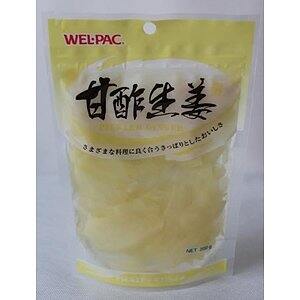
200GSushi ginger: young ginger shaved into thin sheets and pickled in amazu — rice vinegar, sugar and a little salt. The colour is a natural pale cream to soft pink, because young ginger shoots blush in vinegar all by themselves. Anything bright pink has been dyed.
It is crisp, sweet-sour and only gently hot, far milder than red ginger. The job is to reset your palate: a few slices after a rich piece of fish and the next one tastes like the first one did.
Why Choose It?
How To Use It:
Not To Be Confused With:
White ginger is the mild sweet pickle for eating between pieces of fish. Red ginger (beni shoga) is salty and sharp, and belongs on okonomiyaki and yakisoba instead.
Storage:
Keep refrigerated after opening, with the ginger submerged in its own liquid.
The palate cleanser that makes the second piece taste like the first. Order now.
经典的日式寿司姜:嫩姜削成薄片,以「甘酢(amazu)」腌渍 — 米醋、糖,加少许盐。颜色是自然的浅米白至淡粉,因为嫩姜芽遇醋本来就会微微泛红。凡是鲜艳粉红的,都是染过色的。
口感爽脆,以酸甜为主,姜辣温和,远比红姜柔和。它的任务是「清口」:吃完一片油脂丰厚的鱼,嚼两片,下一口吃起来就跟第一口一样。
为什么选择它?
使用方式:
请勿混淆:
白姜是配着生鱼片吃、用来清口的甜味腌姜;红姜(beni shoga)咸而锋利,是大阪烧与日式炒面上的那一味,两者用途不同。
保存方式:
开封后请冷藏,并让姜片浸在原汁中。
让第二口跟第一口一样好吃的那碟姜。立即订购。